How to Whiten Your Teeth Naturally Without Damaging Enamel
How to Whiten Your Teeth Naturally Without Damaging Enamel
Whitening teeth naturally without damaging enamel has become one of the most common searches in dental aesthetics, driven by the desire for a brighter smile without a trip to the dentist. The problem is that most tips circulating online (lemon, vinegar, daily activated charcoal) actually attack enamel instead of protecting it, with irreversible damage as a result. This guide sorts out which natural methods are genuinely effective and safe, which mistakes damage enamel, and what daily routine prevents stains from forming in the long run.

Why Teeth Turn Yellow: Understanding Enamel Before Taking Action
Tooth enamel is the hardest translucent layer in the human body, made up of 96% minerals (hydroxyapatite). Beneath this enamel lies dentin, which is naturally yellowish. The thicker and more mineralized the enamel, the more it masks the color of the dentin; the thinner it gets over time, the more the yellow of the dentin shows through. It's this mechanism, not simply a "lack of whiteness," that explains the gradual yellowing of teeth.
Two types of causes generally combine:
Extrinsic stains, on the surface of the enamel: coffee, black tea, red wine, turmeric, soy sauce, tobacco. They settle into the micro-pores of the enamel and can, to some extent, be reduced by gentle mechanical cleaning.
Intrinsic causes, which run deeper: natural thinning of enamel with age (starting around 40 on average), certain treatments (tetracyclines), fluorosis that occurred in childhood, or chronic acid erosion. These causes don't respond to surface methods and require professional advice.
Natural Whitening vs. Chemical Whitening: What's the Real Difference?
Chemical whitening (strips, trays, or an in-office dental treatment) uses hydrogen peroxide or carbamide peroxide, a molecule that penetrates the enamel and oxidizes the pigments inside the tooth itself. It's the only method capable of changing the intrinsic shade, with measurable results of 1 to 3 shades on the Vita scale.
Natural methods, on the other hand, act almost exclusively on the surface: they remove the film of external stains through gentle mechanical action or partial dissolution, without changing the tooth's deep color. So keep your expectations realistic: a cleaner, brighter-looking smile, yes; a multi-shade, dental-office-style whitening, no.
Natural Methods That Actually Work (and How to Use Them Safely)
Baking Soda: A Helpful Ally, But Only in the Right Dose
Baking soda is mildly abrasive (RDA index around 7, compared to 200 for some highly abrasive toothpastes) and alkaline, which helps dislodge surface stains. Safe protocol: mix half a teaspoon of baking soda with a few drops of water to form a paste, brush gently for a maximum of 1 minute, then rinse thoroughly. Limit this to 1 to 2 times per week: daily use gradually wears down enamel.
Coconut Oil Mouth Rinse (Oil Pulling)
This practice involves swishing a tablespoon of coconut oil around your mouth for 10 to 15 minutes before spitting it out (never into the sink, to avoid clogging pipes). It doesn't chemically whiten the tooth, but it reduces bacterial plaque and the film that holds pigments, which can give the impression of cleaner-looking teeth after several weeks of regular practice. No known risk to enamel.
Activated Charcoal: A Popularity Worth Questioning
Very popular on social media, activated charcoal powder is actually highly abrasive. Used daily, it can microscopically scratch the enamel and, paradoxically, make teeth more porous and therefore more prone to future staining. If used, limit it to once a week at most and never with a hard-bristled brush.
Strawberries, Lemon, and Vinegar: A Myth to Ban for Good
Lemon (pH close to 2) and vinegar (pH close to 2.5) are strong acids. Enamel begins to demineralize as soon as it's exposed to a pH below 5.5. Rubbing lemon or vinegar on your teeth doesn't whiten anything: it literally dissolves the surface of the enamel, irreversibly. This is the most dangerous "natural" method and it should be avoided without exception.
The Daily Routine That Prevents Stains and Protects Enamel
A lastingly brighter smile depends less on a miracle product than on a consistent routine, repeated every day:
1. Brush for 2 minutes, twice a day, at a 45° angle along the gumline, without pressing hard: excessive pressure wears down enamel faster than it cleans.
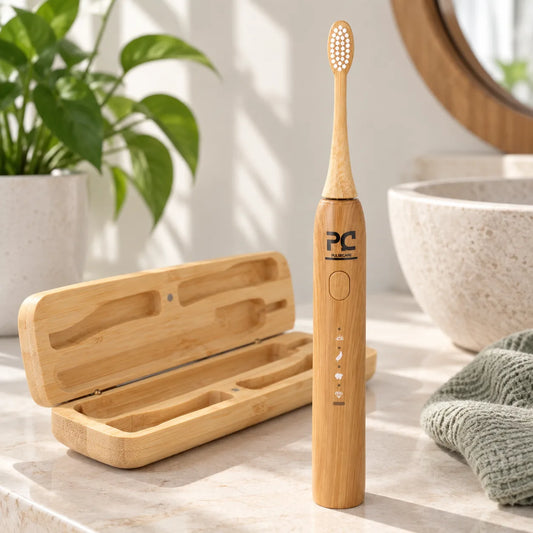
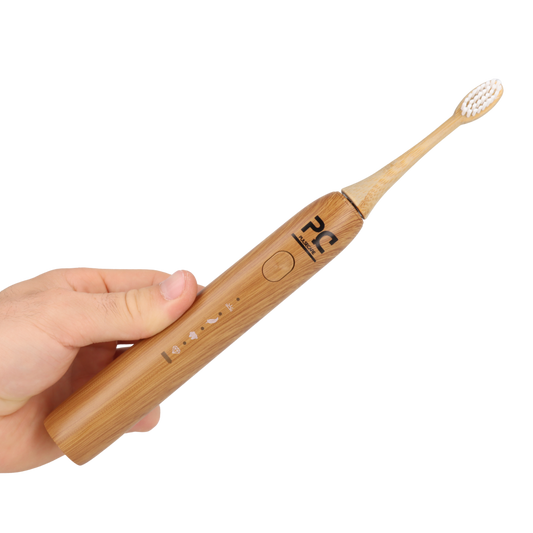
2. Choose a sonic electric toothbrush over manual brushing: sonic vibrations dislodge biofilm and surface pigments with constant, controlled pressure, without the unevenness of a manual stroke. The Pulse Care Bamboo+ sonic electric toothbrush is designed for this kind of gentle, regular brushing.
3. Rinse your mouth with plain water after coffee, tea, or a glass of wine, to limit the pigments' contact time with the enamel.
4. Drink colored or acidic beverages (soda, citrus juice) through a straw, to reduce their direct contact with your front teeth.
5. Wait 30 minutes before brushing your teeth after an acidic meal (citrus, vinaigrette): the enamel is temporarily softened and brushing immediately damages it.
6. Add flossing once a day: interdental plaque that isn't removed yellows and darkens over time.
Common Mistakes That Damage Enamel Instead of Whitening It
Some habits, mistaken for good ideas, produce the opposite of the intended effect:
Brushing your teeth right after an acidic food or drink, while the enamel is still softened. Using a hard-bristled brush thinking it will "clean harder." Combining several abrasive methods on the same day (baking soda plus charcoal, for example). Applying pure lemon juice directly to the teeth. Ignoring sensitivity or early gum recession, often the first sign of weakened enamel.
The Role of a Sonic Electric Toothbrush in Successful Natural Whitening
Sonic technology works through high-frequency vibrations that create fluid motion (saliva plus toothpaste) around the teeth, which breaks down plaque and surface stains even in hard-to-reach areas, without needing to scrub hard. It's a direct complement to the natural methods described above: they remove surface pigments, while the sonic brush keeps them from settling back in.
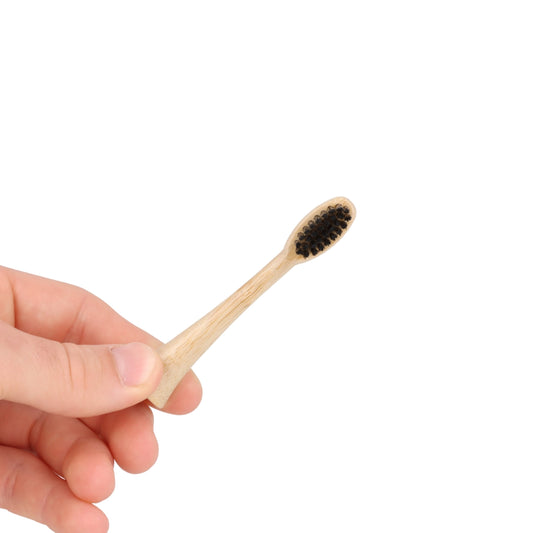
For teeth that are more sensitive after occasional baking soda use, the bamboo brush head with castor-oil-based plant bristles offers gentler contact with enamel than classic nylon bristles. One important note: on all Pulse Care toothbrushes, only the brush head is made of biodegradable bamboo; the electric handle is made of recyclable ASA plastic, a durable material distinct from bamboo. You can explore the full range in the collection of sonic electric toothbrushes with bamboo heads.
When to See a Dentist or Consider Professional Whitening
A dental opinion is worthwhile if the stains are intrinsic (due to age, medication, or fluorosis), if hot/cold sensitivity appears, if natural methods show no visible result after 4 to 6 weeks of regular use, or if you want a fast, measurable result. A dentist can then offer supervised peroxide whitening, which is more effective on intrinsic color and safe for enamel when properly dosed and supervised.

Frequently Asked Questions
Does baking soda really damage enamel?
Used daily and undiluted, yes, because it remains abrasive. Used a maximum of 1 to 2 times a week, diluted with a little water, and applied without hard scrubbing, it's considered safe for removing surface stains.
How long does it take to whiten teeth naturally?
Generally allow 4 to 6 weeks of a consistent routine (twice-daily sonic brushing, rinsing after colored drinks, occasional baking soda use) before noticing a visible difference in surface stains.
Does coconut oil (oil pulling) really work to whiten teeth?
It doesn't change the tooth's intrinsic color, but it reduces bacterial plaque and the film that holds pigments, which often gives a cleaner-looking appearance after several weeks of regular practice, with no risk to enamel.
Is activated charcoal safe for teeth?
No, daily use is not recommended because activated charcoal is highly abrasive and can scratch enamel over the long term. If used, limit it to once a week with a soft-bristled brush.
Can you whiten your teeth with lemon or vinegar?
No, these methods should be avoided. Lemon and vinegar are strong acids that demineralize enamel from the first prolonged contact, irreversibly, with no real whitening effect.
Does a sonic electric toothbrush whiten more effectively than a manual one?
It doesn't whiten chemically, but its vibrations remove biofilm and surface stains more effectively than manual brushing, with more even pressure and less enamel wear from over-pressing.
When should I see a dentist instead of trying a natural method?
If the stains are intrinsic (age, medication, fluorosis), if sensitivity appears, or if no improvement is visible after 4 to 6 weeks of a regular natural routine, a dental opinion is recommended.
Is natural whitening compatible with sensitive teeth?
Yes, as long as you choose the gentlest methods: coconut oil pulling and sonic brushing with a soft-bristled head, while avoiding frequent baking soda use, activated charcoal, and any contact with acids like lemon.
Learn More About Oral Health
- Gum Disease: Causes, Symptoms, and Solutions for Healthy Gums in 2026
- Tartar: Causes, Prevention, and Solutions for Healthier Teeth
- Sensitive Teeth: Causes, Solutions, and Daily Habits to Soothe Them
- Cavities: Causes, Prevention, and Solutions to Protect Your Smile
- Bad Breath: Causes, Solutions, and Daily Habits for Fresh Breath
- Diet and Teeth: Which Foods to Choose to Protect Your Smile?
And to discover our model: the Pulse Care Bamboo+.