Sensitive teeth: causes, solutions, and daily habits to soothe them
Sensitive teeth: causes, solutions, and daily habits to soothe them
A sip of hot coffee, a bite of ice cream, or even a simple draft can sometimes trigger a sharp, fleeting pain in your teeth. This sensation, known as dental hypersensitivity, affects a large part of the adult population and can become a real daily hindrance: people avoid certain foods, dread brushing, and no longer dare to smile broadly. Good news: in most cases, simple habits and a suitable oral hygiene routine can provide long-lasting relief from discomfort. Here's what you need to know about the causes of sensitive teeth and the solutions to adopt daily.

What is tooth sensitivity?
Tooth sensitivity, also called dentinal hypersensitivity, manifests as a brief, localized pain triggered by a specific stimulus: cold, heat, sweetness, acidity, or even mechanical contact like brushing. It occurs when the dentin, the layer beneath the enamel, becomes exposed. This dentin is crossed by thousands of tiny microscopic tubules that communicate directly with the tooth's nerve: at the slightest stimulus, pain is felt almost instantly.
How to recognize a sensitive tooth?
The pain is usually short, sharp, and disappears as soon as the stimulus stops. It can affect a single tooth or several at once, and vary in intensity from day to day. If the pain persists after the stimulus is gone, becomes throbbing, or is accompanied by swelling, it is likely no longer simple sensitivity and a dental consultation is urgently needed.
The main causes of dental hypersensitivity
Several factors can contribute to dentin exposure and thus the onset of pain:
- Enamel erosion, caused by frequent consumption of acidic foods and drinks (citrus fruits, sodas, wine) which gradually weaken the tooth's protective layer.
- Overly aggressive brushing, with excessive pressure or bristles that are too hard, which wears down enamel and causes gum recession over time.
- Gum recession, which exposes the roots of the teeth, naturally lacking enamel and therefore more vulnerable.
- Bruxism, or teeth grinding, often at night, which exerts repeated pressure on the enamel.
- Tartar and cavities, which weaken the tooth structure and can expose the dentin.
- Certain recent dental treatments, such as deep scaling or whitening, which can cause temporary sensitivity.
The role of brushing in tooth sensitivity
Brushing, essential for oral hygiene, can paradoxically worsen sensitivity if done incorrectly. Too much pressure, vigorous horizontal movements, or overly stiff brush bristles accelerate enamel wear and gum recession. Conversely, gentle, methodical, and regular brushing helps preserve enamel while effectively removing plaque responsible for tartar and cavities.
Why choose soft bristles
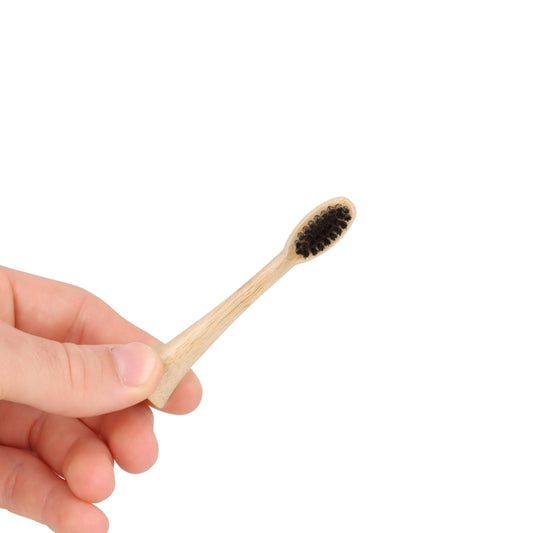
For sensitive teeth, it is recommended to opt for soft-bristled brush heads that can clean gently without damaging enamel or gums. An example is the Pulse Care bamboo refill head with plant-based castor oil bristles, designed to offer a gentler clean. Like all heads in the range, its active part is made of biodegradable bamboo; it attaches to the Pulse Care electric handle, made of recyclable and durable ASA plastic.

Solutions and daily habits to soothe sensitive teeth
Here are some simple habits to incorporate into your routine to limit discomfort related to tooth sensitivity:
- Adopt gentle brushing, twice a day, for two minutes, with circular motions rather than horizontal back-and-forth movements.
- Choose a soft-bristled brush head and replace it every three months, or sooner if the bristles splay.
- Avoid brushing your teeth immediately after an acidic meal: enamel, temporarily softened, is more vulnerable to abrasion. It's better to wait about thirty minutes.
- Limit the consumption of very acidic or very sweet foods and drinks, and rinse your mouth with clear water after consuming them.
- Use lukewarm water rather than very cold or very hot water for mouth rinsing if temperature changes trigger pain.
- Ask your pharmacist or dentist for advice on toothpaste suitable for sensitive teeth.
When to see a dentist?
If sensitivity persists despite these adjustments, intensifies, or affects a particular tooth in a localized way, it is important to consult a dental surgeon. Tooth sensitivity can sometimes hide a cavity, a crack, advanced gum recession, or another condition that requires specific treatment. Only a healthcare professional can make an accurate diagnosis and propose a solution adapted to your situation.
Choosing the right electric toothbrush for sensitive teeth
The choice of device and brush head plays a key role in daily comfort. The Pulse Care Bamboo+ sonic electric toothbrush combines regular sonic vibrations with interchangeable heads, allowing you to adapt cleaning to individual sensitivity. Find all available biodegradable bamboo refill heads, including soft-bristled versions, as well as the entire range of Pulse Care sonic electric toothbrushes with bamboo heads to create an oral hygiene routine that respects both your teeth and the environment.
Frequently Asked Questions
What exactly is tooth sensitivity?
It is a brief, localized pain triggered by cold, heat, sweetness, acidity, or mechanical contact, caused by the exposure of the dentin beneath the enamel.
What are the most common causes of sensitive teeth?
Enamel erosion from acidic foods, overly aggressive brushing, gum recession, bruxism, tartar, or recent dental treatment such as scaling or whitening.
Can an electric toothbrush worsen tooth sensitivity?
If used with bristles that are too hard or with excessive pressure, a toothbrush can accelerate enamel wear. With soft-bristled heads and gentle technique, it actually allows for effective and respectful cleaning of sensitive teeth.
What daily habits should I adopt to relieve sensitive teeth?
Brush your teeth gently with soft bristles, avoid brushing right after an acidic meal, limit very acidic or sugary foods, and replace your brush head every three months.
Are soft-bristled brush heads suitable for sensitive teeth?
Yes, soft-bristled heads, such as bamboo heads with castor oil bristles, offer a gentler clean for sensitive teeth and gums, while remaining effective on dental plaque.
When should I see a dentist for tooth sensitivity?
As soon as the pain persists, intensifies, becomes localized to a single tooth, or is accompanied by other symptoms such as swelling, it is recommended to consult a dental surgeon to rule out any underlying pathology.