Recycling Your Bamboo Toothbrush: 5 Essential Steps for a Zero-Waste End of Life
Recycling Your Bamboo Toothbrush: 5 Essential Steps for a Zero-Waste End of Life
Your bamboo electric toothbrush has reached the end of its life, and you're wondering what to do with the worn-out head, or even the electric handle itself? Good news: unlike a 100% plastic toothbrush, a bamboo toothbrush offers several concrete options for limiting its environmental impact, as long as you know the right steps. Bamboo body, synthetic bristles, recyclable plastic handle: each component is processed differently. This guide details, step by step, how to properly recycle or compost your bamboo toothbrush, with no eco-friendly missteps.

Why a Toothbrush's End of Life Deserves Attention
A toothbrush head is replaced on average every three months, or about four times a year. Multiplied by the number of households with an electric toothbrush, that adds up to a far from trivial volume of waste. A classic plastic head, made of polypropylene for the body and nylon for the bristles, is almost never recycled through conventional sorting channels: too small, too mixed with other materials, it most often ends up incinerated or landfilled. This is precisely what drove the development of refill heads with bamboo bodies, a biodegradable material that changes the equation, as long as you know how to make the most of it at the end of its life.
Biodegradable Bamboo, Recyclable ASA Plastic: Telling the Two Components Apart
Before throwing anything away, it's essential to understand what your electric toothbrush is made of, because the two parts that make it up don't follow the same disposal path.
The Brush Head: A Biodegradable Bamboo Body
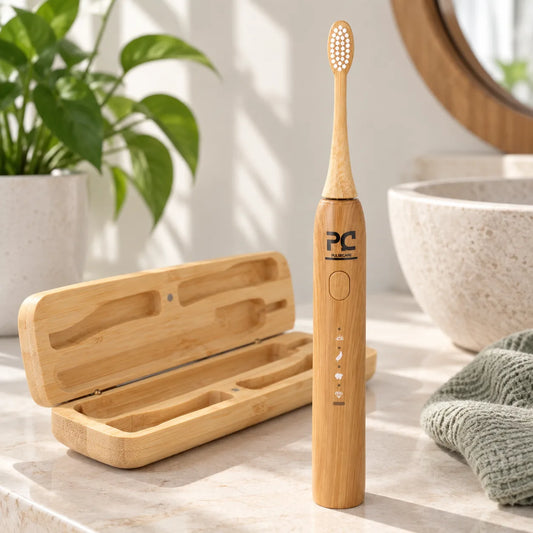
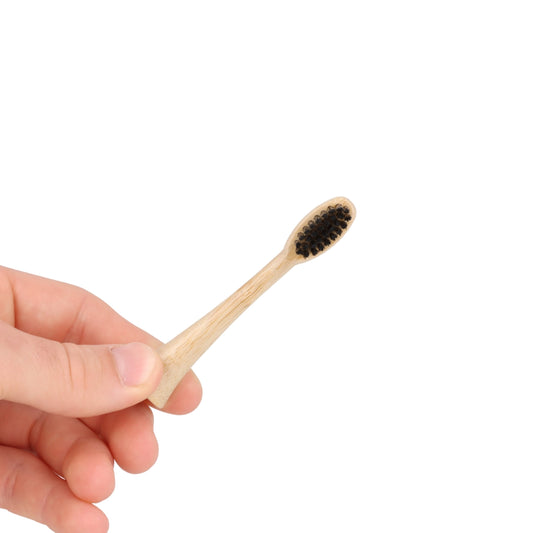
On Pulse Care refill heads, the body that holds the bristles is made of biodegradable bamboo, a fast-growing natural resource that requires no pesticides or intensive irrigation. The bristles themselves are made of nylon or castor-oil-based plant fibers, depending on the model chosen. It's this combination that allows for an end-of-life treatment very different from a 100% plastic head.
The Electric Handle: Recyclable ASA Plastic, Never Bamboo
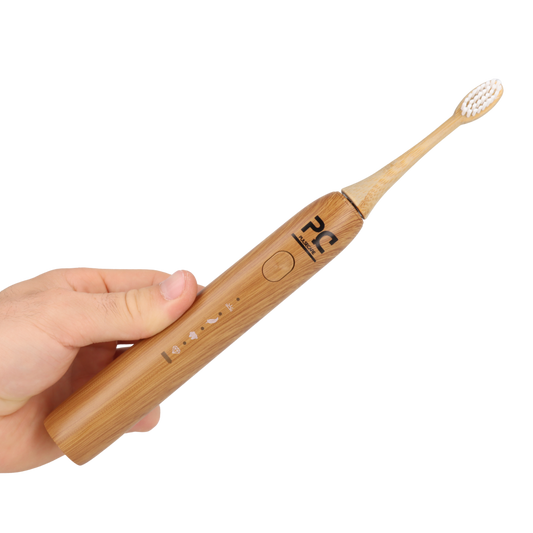
An important point not to confuse: the electric handle is made of ASA plastic (Acrylonitrile Styrene Acrylate), a recyclable material chosen for its mechanical strength, water resistance, and long-term durability. The handle is never made of bamboo: this material, more vulnerable to repeated moisture and embedded electronics, is reserved exclusively for the interchangeable head. Kept for several years before any replacement, the handle therefore follows an electronic recycling path, not a composting one.
Common Mistakes to Avoid When Disposing of Your Toothbrush
Before detailing the steps to follow, here are the most common pitfalls that undo sorting efforts:
- Throwing the entire head into the compost without removing the nylon bristles, which are not biodegradable and will pollute the compost.
- Putting the electric handle in the regular trash: it contains a battery and a motor, which fall under waste electrical and electronic equipment (WEEE) regulations, with a dedicated collection channel.
- Throwing the head into the plastic recycling bin: bamboo is not a recyclable material in the conventional sense (glass, plastic, paper) and throws off the sorting process if mixed with packaging.
- Waiting until the bristles are completely splayed before changing the head, which wears down tooth enamel with no real ecological benefit, since a head that needs replacing should be replaced every three months regardless.
Step 1: Always Separate the Bristles From the Bamboo Body
This is the most important and most often forgotten step. Using flat tweezers or a round-tipped knife, gently remove the nylon (or castor fiber) bristles embedded in the bamboo body. This takes less than a minute and separates a biodegradable material (bamboo) from one that isn't (synthetic bristles). Without this separation, it's impossible to properly compost or repurpose the head.
Step 2: Compost or Shred the Bamboo Body
Once the bristles are removed, the bamboo body can follow several paths depending on what's available to you:
In Home or Community Compost
Cut into small pieces with cutting tweezers, bamboo gradually breaks down in a garden compost or a neighborhood community compost, generally over several months depending on humidity and temperature conditions. Along the way, it contributes a carbon fraction useful for compost balance.
At a Recycling Center, Wood Stream
If you don't have access to compost, some recycling centers accept small wood waste and plant materials in their shredding stream. Check with your local authority, as practices vary from one municipality to another.
Synthetic Bristles Go With Household Waste
Once separated from the bamboo, nylon bristles (not currently recyclable through consumer-facing channels) must be thrown out with residual household waste. This is the only realistic option, given the lack of a dedicated recycling stream for this type of fiber in France today.

Step 3: Send the Electric Handle to the WEEE Stream
The Pulse Care electric handle, kept for several years, should never end its life in a regular trash bin. Since it contains a rechargeable battery and electronic components, it falls under waste electrical and electronic equipment regulations. In France, several free solutions exist:
- Drop the handle off at an in-store WEEE collection point (a dedicated bin found in most large retailers and appliance stores, mandatory above a certain sales floor size).
- Bring it to a recycling center, in the bin reserved for small electrical devices.
- Check whether a take-back or recycling program is offered directly by the brand when purchasing a new handle.
This channel allows metals and electronic components to be recovered, and prevents a battery from ending up in nature or in a standard incinerator, where it poses an environmental and sometimes safety risk.
Step 4: Reduce Waste Volume From the Start, With the Right Routine Choices
The most eco-friendly step is still the waste you avoid producing in the first place. Several choices, made upfront, can mechanically limit the number of heads to dispose of each year:
Space Out Purchases With Multi-Packs
Choosing a pack of 2 or 4 biodegradable bamboo refill heads rather than single-unit purchases reduces the logistics packaging associated with each order, without changing the recommended three-month replacement frequency.
A Subscription, to Replace Only at the Right Time
A refill head subscription lets you receive a new head exactly when the old one needs replacing, neither too early nor too late, which avoids the waste caused by over-cautious early replacement.
Choose a Durable Handle From the Start
The Pulse Care Bamboo+ sonic electric toothbrush is designed with a recyclable ASA plastic handle built to last for several years: only the head is replaced regularly, which greatly limits the overall volume of waste compared to a manual toothbrush thrown away entirely every two or three months.
Step 5: Choose Your Next Head Wisely to Extend the Virtuous Circle
Not all bamboo refill heads are equal when it comes to end of life. For the best environmental outcome, choose heads whose body is entirely made of biodegradable bamboo, with no hidden plastic insert, and whose bristles are clearly identified (classic nylon or castor-oil-based plant fibers). This level of transparency, displayed on the product page, lets you know exactly which sorting step to apply once the head is worn out, without having to guess the product's exact composition.
When to Contact a Specialized Collection Point
If you're unsure how to proceed with a particular component, or if your municipality doesn't offer community composting, contact your local recycling center or your municipality's waste management service directly. They can tell you exactly which channels are available near you for bamboo, small plastics, and WEEE. If you're unsure about the safety of a damaged or swollen battery, don't handle it yourself and bring the complete device to a WEEE collection point, where it can be processed safely.
Frequently Asked Questions
Can I put a bamboo toothbrush head directly into the compost?
Not as is: you first need to remove the nylon or castor fiber bristles, which are not biodegradable. Once the bristles are removed, the bamboo body can be cut into small pieces and added to a home or community compost.
Is the Pulse Care electric handle made of bamboo?
No. Only the interchangeable head is made of biodegradable bamboo. The electric handle is made of recyclable ASA plastic, a material chosen for its strength and durability, designed to be kept for several years.
Where should I dispose of the electric handle at the end of its life?
The handle contains a battery and electronic components: it must be taken to a WEEE (waste electrical and electronic equipment) collection point, available in stores or at recycling centers, and never thrown out with regular household waste.
Are toothbrush bristles recyclable?
No, as of today, nylon or castor fiber bristles have no consumer-facing recycling channel in France. Once separated from the bamboo body, they must be thrown out with residual household waste.
How often should a bamboo toothbrush head be changed?
It's recommended to replace it approximately every three months, or sooner if the bristles visibly start to splay, in order to maintain optimal cleaning effectiveness.
Does the bamboo in a toothbrush head really decompose?
Yes, bamboo is a biodegradable material that decomposes naturally in compost, generally over several months depending on humidity and temperature conditions, as long as the synthetic bristles have been removed beforehand.
Does a refill head subscription really help reduce waste?
Yes, a subscription timed to the recommended replacement schedule (every three months) avoids early or forgotten purchases, and therefore the waste caused by heads changed too soon or kept too long due to running out of stock.
Learn More
For a full, data-backed picture of the real impact of bamboo versus plastic, see our reference guide: Bamboo vs. plastic: what's the real ecological impact of your toothbrush?