Sonic or oscillating-rotating toothbrush: which technology to choose in 2026?
Sonic vs. Oscillating-Rotating Toothbrush: Which Technology to Choose in 2026?
When replacing a manual toothbrush with an electric model, one question almost always comes up: should you choose sonic technology or an oscillating-rotating brush? The two approaches are based on different mechanical principles, each with its strengths. This guide compares their operation, perceived effectiveness, user comfort, and environmental impact to help you make an informed choice.

How does a sonic toothbrush work?
A sonic toothbrush uses a motor that vibrates the brush head at a high frequency, typically tens of thousands of movements per minute. This rapid vibration moves saliva and toothpaste around the teeth, creating a fluid dynamic effect that helps dislodge food debris and plaque, including in hard-to-reach areas between teeth. The head generally remains still, with the movement mainly coming from vibrations transmitted through the handle.
This is the principle adopted by the Pulse Care Bamboo+, whose sonic technology reaches up to 40,000 vibrations per minute, with several brushing modes adapted to everyone's needs: sensitive, clean, whitening, polish, and massage.
How does an oscillating-rotating toothbrush work?
The oscillating-rotating brush features a smaller, round head that rotates back and forth at a rapid pace, sometimes combined with a slight pulsating movement. Cleaning is done tooth by tooth, with the head encompassing each tooth individually to remove plaque from its surface. This technology, historically very common, generally requires moving the brush more slowly from one tooth to another to cover all teeth.
Sonic vs. Oscillating-Rotating: A Detailed Comparison
Cleaning Sensation and Mouth Coverage
Thanks to the amplitude of its vibrations and the fluid movement it generates, the sonic brush is often perceived as effective in reaching interdental spaces and the gum line. The oscillating-rotating brush, on the other hand, targets each tooth more locally and can give a more pronounced mechanical cleaning sensation on visible surfaces.
Comfort and Sensitive Gums
Users with sensitive gums often report significant comfort with sonic brushes, especially when a dedicated mode allows for reduced vibration intensity. Oscillating-rotating brushes can feel more abrasive if the pressure applied is not controlled, hence the benefit of pressure sensors offered on some models on the market.
Noise Level and User Comfort
Sonic brushes generally produce a continuous, discreet hum. Oscillating-rotating brushes, with their rotary motor, may be perceived as slightly noisier depending on the model.
Environmental Impact and Head Durability
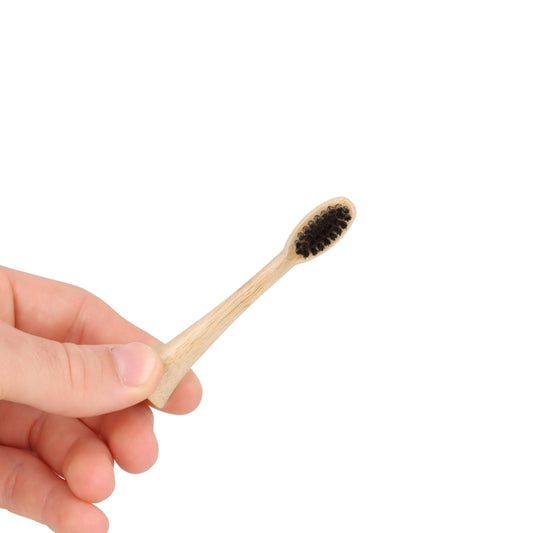
From an ecological perspective, the difference primarily lies in the brush heads, which need to be replaced approximately every three months. Classic heads are 100% plastic, while Pulse Care refill heads combine biodegradable bamboo for the head body with nylon or castor oil bristles, reducing the amount of plastic discarded with each replacement. The electric handle, kept for several years, remains made of recyclable ASA plastic to ensure its resistance and durability; it is not made of bamboo, as this material is reserved for interchangeable heads.
Purchase Budget and Refill Costs
Both technologies are available at various price points. For a first purchase, a discovery pack including the handle and several replacement heads allows you to test sonic technology without making multiple separate purchases. Refill heads, sold individually or in packs of 2 or 4, then allow you to spread the maintenance cost over time.

Which Technology to Choose Based on Your Profile?
If you are looking for gentle cleaning, suitable for sensitive gums and interdental areas, sonic technology is generally recommended. If you are used to the sensation of a round head cleaning tooth by tooth and appreciate this more pronounced mechanical feel, oscillating-rotating may be suitable. In all cases, brushing effectiveness primarily depends on regularity—twice a day, two minutes—the technique used, and replacing the head every three months, regardless of the technology chosen.
The Pulse Care Choice: Sonic Technology with Biodegradable Bamboo Heads
At Pulse Care, we have opted for sonic technology for our range of electric toothbrushes, combined with interchangeable biodegradable bamboo heads. This combination allows you to enjoy brushing with up to 40,000 vibrations per minute, with five modes adapted to every need, while reducing the amount of plastic discarded with each head replacement. The handle, made of recyclable ASA plastic, is designed to last for several years. Find our entire selection in our best-sellers collection.
Frequently Asked Questions
Is a sonic toothbrush more effective than an oscillating-rotating toothbrush?
Both technologies provide effective cleaning when used correctly. The sonic brush works by vibration and fluid dynamics, which is often appreciated for reaching interdental areas, while the oscillating-rotating brush cleans tooth by tooth with its round head. The choice primarily depends on your comfort preferences and brushing habits.
Which technology is recommended for sensitive gums?
Sonic brushes equipped with a dedicated mode for sensitive gums, such as the "Sensitive" mode on the Pulse Care Bamboo+, are generally well tolerated because they reduce vibration intensity. However, it is advisable to consult your dentist in case of significant gum sensitivity.
Is the Pulse Care Bamboo+ electric toothbrush sonic or oscillating-rotating?
The Pulse Care Bamboo+ uses sonic technology, with vibrations reaching up to 40,000 movements per minute and five brushing modes: Sensitive, Clean, Whitening, Polish, and Massage.
Are Pulse Care brush heads truly biodegradable?
Pulse Care brush heads are made with a biodegradable bamboo body, combined with nylon or castor oil bristles depending on the model. The electric handle, kept for several years, is made of recyclable ASA plastic and not bamboo.
How often should you change your brush head, whether sonic or oscillating-rotating?
It is recommended to replace the brush head approximately every three months, or sooner if the bristles start to splay, regardless of the technology used. Regular replacement maintains optimal cleaning effectiveness.